Concrete may have a well-deserved reputation for strength, but it cannot support itself until it has been cured. While it’s wet, it needs formwork systems to provide stability. This bracing is referred to in common parlance as formwork.
Formwork, commonly made of wood or metal, serves as a temporary mold for poured concrete structures, ensuring their stability and proper shape during the curing process. Without formwork systems, wet concrete would not be able to retain its desired form, highlighting the crucial role it plays in construction. Plastic Formwork For Column Concrete
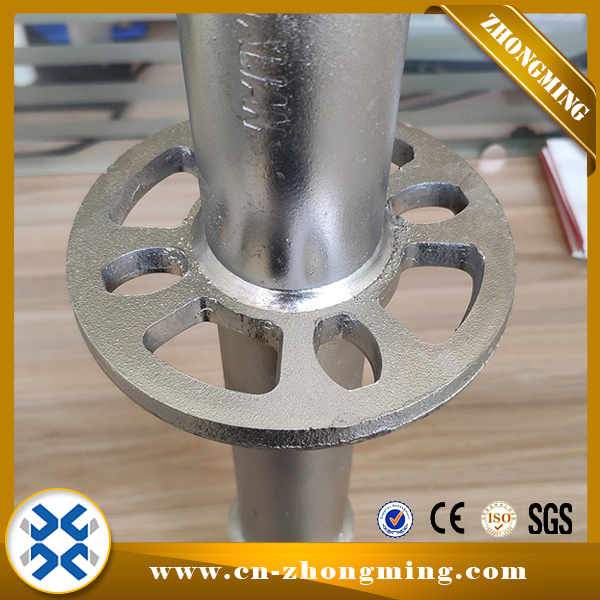
Sometimes, constructing forms and pouring concrete is simple, as with cases like flat slab foundations. In others, it requires much more complex formwork systems. As a general rule, experienced formwork designers should always be called in to consult contractors during formwork design for in-situ concrete structures.
The more complex the final structure will be, the more difficult and dangerous it will likely be to construct and dismantle the formwork, so challenging projects require a greater amount of care during the formwork design stage. In all cases, formwork needs to be:
The design should include detailed drawings of the formwork and joints, ties, framing, and any proprietary fittings being used. The plan should also include sealing procedures and bond breakers, if applicable, and must contain information about the vertical pour rates for all concrete components. In some cases, special methods like external vibration may also be required and should be addressed in the formwork design.
Formwork designers must choose the most appropriate systems for each project. They usually have several options, each of which has different strength, stability, and safety features. The most popular options include:
Traditional plywood formwork systems are constructed on-site using plywood or timber and supporting elements. Using standard formwork frames that have known load capacities can improve worker safety when using traditional plywood forms.
Modular formwork systems are designed and constructed off-site. They typically use proprietary components and are made from materials like steel, aluminum, plastic, and hardboard. Most modular formwork systems use multiple materials, and they tend to be lighter than traditional systems, which can minimize the risk of injury to workers.
Wall and column formwork must be capable of supporting the wind load before and during the pour in addition to potential impact loads. They typically feature lateral support in the form of horizontal and angled braces with structural connections to other building components. Bracing elements must be able to resist compressive and tensile wind loads.
Suspended slab formwork systems require some additional safety precautions during installation. When workers would need to stand at heights of two yards or above the closest finished deck to install bearers or joists for an additional layer of formwork, a full deck should be installed. The deck usually consists of formply, scaffolding, or modular platforms. If the form is installed less than two yards above the next highest point, an intermediary deck can be used instead.
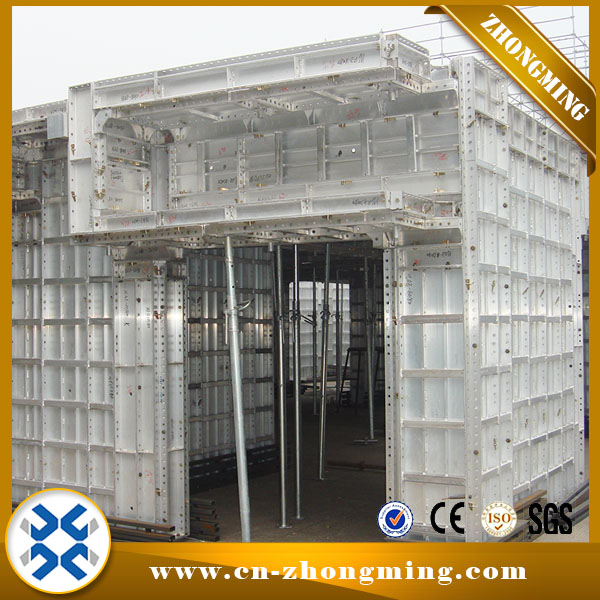
China Aluminum Wall Panel No matter how competent a formwork designer is, they won’t be able to ensure the safe and effective construction of the system without the help of both manufacturers and workers. Formwork must be made from the highest quality of materials, and all workers tasked with erecting it should be provided with adequate training regarding the safe installation of the system in question. These are the two keys to the successful installation of a professionally designed formwork system.