Electrical muscle stimulation, aka e-stim or electrostim, is an adjunct physical therapy modality often used to reignite muscles' ability to contract. Enhancing muscle contraction may help you control pain, get stronger, increase physical functioning, retrain movements you may have lost, and/or manage inflammation.
While it is the most well-known type of electrical stimulation, transcutaneous electrical nerve stimulation (TENS) treatment, is not the only type of e-stim. TENS offers a pain relief strategy you can use at home or take with you on the go, Some types of e-stim provided in physical therapy settings stimulate muscles to contract as an approach to making them stronger and encouraging blood circulation. Blood circulation can directly affect the condition of your muscle tissue. Doctor Supplies
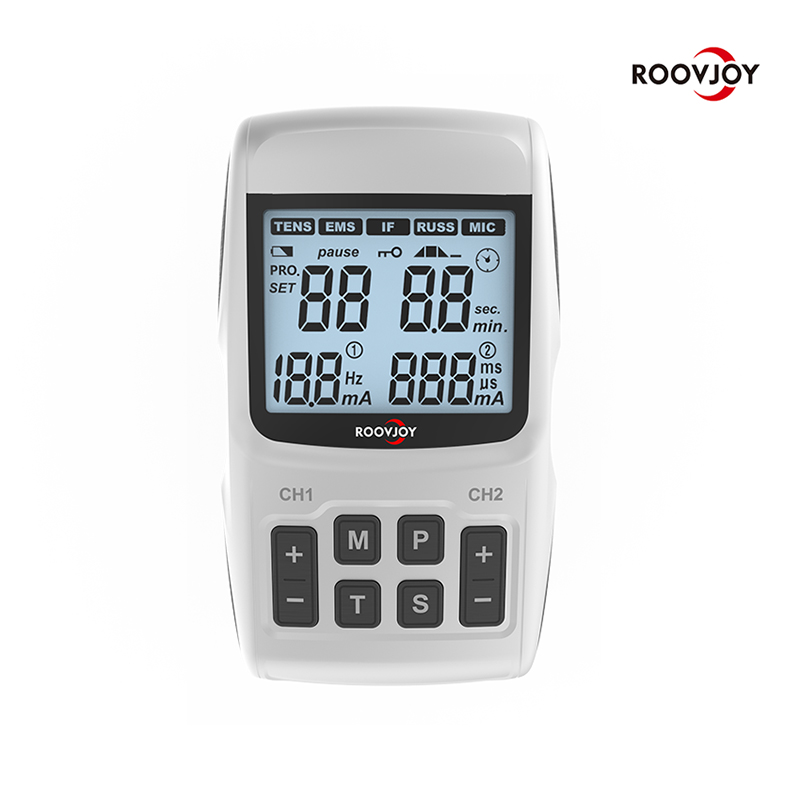
Electrical stimulation is also used in cases of spinal cord injury and other neuromuscular conditions.
During an e-stim treatment, electrodes are hooked up to an electric stimulation machine and placed around the affected area of your back or neck.
According to Michael Crary who wrote the book Dysphagia: Clinical Management in Adults and Children, the electrodes may be placed on the skin, on the muscles, or by implantation.
Here's what you can expect:
An electric stimulation treatment lasts about 5 or 15 minutes.
Because e-stim ignites muscles and calls them into action, it may help increase spinal joint stability, and therefore improve problems with spinal instability.
The home exercise program your therapist teaches you will be instrumental in helping you maintain your joint stability, and it is thought that electrostim can enhance this process.
E-stim may also contribute to your muscle strength and endurance. Muscle endurance is the number of times a muscle can contract before it fatigues.
By reducing swelling and increasing circulation, electric muscle stimulation therapy may also enhance tissue healing and help control inflammation.
And it may help reduce pain sensations by blocking nerve transmission at the spinal cord.
For treating pain, your healthcare professional may suggest a TENS unit, which is a take-home electric stimulation therapy. While many patients report good pain control results using TENS, not all healthcare providers are on board with it.
Despite its popularity, muscle stimulation does not top of the list of effective neck or back treatments.
The lineup, according to a 2018 article published in the European Spine Journal, goes more like this:
The authors of the study also say that interdisciplinary treatment, which essentially means you'll have a variety of therapies tailored to your specific back or neck pain, tends to get good results.
The review found that electrical muscle stimulation is not a particularly effective spine treatment. Muscle relaxers, botox injections, steroid injections, wearing a cervical collar for a neck injury, traction, TENS, and short wave diathermy were also on the no-go list.
You and your healthcare professional should discuss your symptoms and condition to determine which treatment would be best for you.
Ho CH, Triolo RJ, Elias AL, et al. Functional electrical stimulation and spinal cord injury. Phys Med Rehabil Clin N Am. 2014;25(3):631-54. doi:10.1016/j.pmr.2014.05.001
Groher ME, Crary MA. Dysphagia: Clinical Management in Adults and Children (2nd Edition). Mosby. 2015.
Veldman MP, Gondin J, Place N, Maffiuletti NA. Effects of Neuromuscular Electrical Stimulation Training on Endurance Performance. Front Physiol. 2016;7:544. doi:10.3389/fphys.2016.00544
Johnson MI, Jones G, Paley CA, Wittkopf PG. The clinical efficacy of transcutaneous electrical nerve stimulation (TENS) for acute and chronic pain: a protocol for a meta-analysis of randomised controlled trials (RCTs). BMJ Open. 2019;9(10):e029999. doi:10.1136/bmjopen-2019-029999
Chou R, Côté P, Randhawa K, et al. The Global Spine Care Initiative: applying evidence-based guidelines on the non-invasive management of back and neck pain to low- and middle-income communities. Eur Spine J. 2018;27(Suppl 6):851-860. doi:10.1007/s00586-017-5433-8
Chou, R. The Global Spine Care Initiative: applying evidence-based guidelines on the non-invasive management of back and neck pain to low- and middle-income communities. Eur Spine J. Feb. 2018 doi:10.1007/s00586-017-5433-8.
Crary, M.,. al. et List of Therapy Techniques. Dysphagia: Clinical Management in Adults and Children (Second Edition). Elseiver, Inc. 2016. https://doi.org/10.1016/C2012-0-06096-6
By Anne Asher, CPT Anne Asher, ACE-certified personal trainer, health coach, and orthopedic exercise specialist, is a back and neck pain expert.
Thank you, {{form.email}}, for signing up.
There was an error. Please try again.

Hospital Equipment By clicking “Accept All Cookies”, you agree to the storing of cookies on your device to enhance site navigation, analyze site usage, and assist in our marketing efforts.