By Timothy Dale | Updated Sep 20, 2021 6:13 PM
We may earn revenue from the products available on this page and participate in affiliate programs. Quality Bolt Cutters
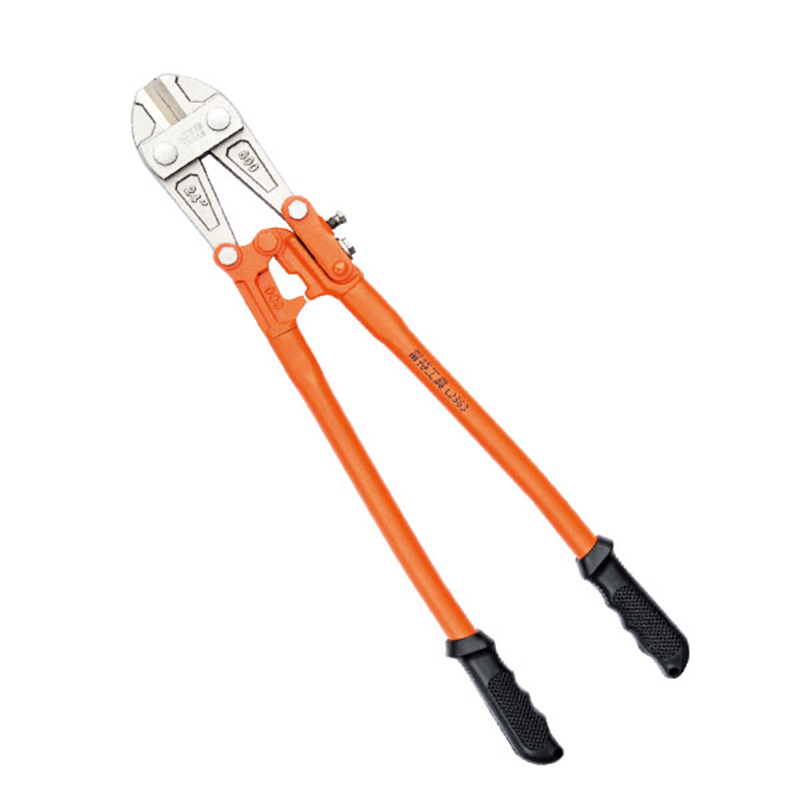
A set of tin snips looks like a pair of heavy-duty scissors with thick, durable handles and short, strong blades that are able to cut through thin gauge metal like stainless steel, tin, and copper. These powerful tools are excellent for home renovations like replacing sheet metal roofing, installing metal gutters and drainpipes, and trimming HVAC ductwork. You can also use them for creating sheet metal art projects.
Some snips have straight blades, while others may have right or left slanted blades that are easier for cutting angles. The best tin snips to add to your workshop or garage will depend on how you want to use them and your preference for blade style. Take a look at the top products below to find a set of tin snips that complements your working style.
Before choosing the best tin snips to trim your gutters, fix your roof, or work on the HVAC system, there are some important factors to consider, such as the material you’ll be using them with and whether you prefer a set of straight-cut or offset tin snips.
Tin snips have a variety of different types that are typically separated by the shape and direction of the blade. The three common types are straight-cut tin snips, offset tin snips, and vertical tin snips.
Whether you are using a set of straight-cut or offset tin snips typically depends on the type of cuts you want to make, but can also be determined by your range of motion while you work.
Straight-cut tin snips can have short or long blades and can be used to make left- or right-curved cuts, though they are best for precise straight cuts, making them ideal for working on sheet metal roofing.
Offset tin snips have right- or left-angled blades, making them easier to use than straight-cut tin snips when you want to make circular or angled cuts. These snips are also a good option for working in tight spaces because the angled blades can bend around small obstacles to better grip and cut metal.
The materials that you normally work with are a consideration to keep in mind when you are choosing a set of tin snips. If you are using the tin snips to cut metal, then your considerations should also include the gauge of the metal you typically use. A set of snips that can only cut 20- gauge steel will be useless if you have 10-gauge steel. Also, keep in mind that the larger the metal gauge number, the thinner the metal.
Some tin snips are also intended for use on leather, cardboard, aluminum, copper, vinyl siding, and wire mesh. If you have a purpose in mind for your tin snips, check the manufacturer’s recommendations to be sure you get a tool designed for your project.
Before choosing a set of tin snips, determine how you want to use them and how robust the snips need to be for your purposes. Typically, tin snips are used for cutting through thin gauge sheet metal for home renovation projects, like replacing ductwork in your HVAC system or installing new drain pipes. These applications require the snips to be able to cut through the gauge of material you are working with, so you need to find a product intended for this application.
Tin snips with serrated blades usually require less force to cut through the material and are better equipped for use with very smooth metals because the serrated edges grip the metal as you cut, preventing the snips from slipping during use.
Manually cutting through sheet metal can tire out your hands if you don’t have a set of tin snips with a comfortable grip that is suited to your hand shape and your handedness. Some tin snips are ambidextrous, but offset snips are frequently made for right-handed individuals. This means that a left-handed person would need to use them in reverse, with the clockwise snips performing counterclockwise cuts and the counterclockwise snips for clockwise cuts.
The grip should be made of a padded or rubberized material that will both cushion your hand and absorb the impact caused by cutting through the thick metal wire and sheet metal. Some tin snips also feature finger indents on the handle intended to give you better control over the snips while you work.
The products below were chosen based on quality and price. Check out this list to discover some of the best tin snips available to add to your workshop or garage.
This two-pack of offset tin snips lets you cut circular shapes, angles, or straight cuts while keeping your hand elevated above the material, reducing the risk of being cut or scraped. The blades are made with hot drop-forged molybdenum alloy steel that has been heat treated to increase their strength and durability, enabling you to impart more force into your cuts.
These tin snips can cut through aluminum, copper, and up to 18-gauge steel with compound leverage cutting action that is able to boost the cutting force by up to eight times. The snips feature high tensile strength steel handles covered with comfortable grips and slip-resistant indented ribs for better control while working.
Whether you are working with thin sheets of aluminum, up to 22-gauge stainless steel, or up to 18-gauge steel, these affordable straight-cut tin snips are an excellent addition to your workshop or garage. Serrated edges bite into the material you are cutting to ensure that the blades don’t slip and to increase their penetration.
The blades are made with chrome vanadium steel that has been processed using a high frequency heat treatment, which increases their durability and strength. The handles are made of the same durable metal but feature a rubberized grip to reduce hand fatigue while you work. The tool has a latch to keep the snips locked in a closed position when not in use, but you can easily release the latch with one hand to recommence work.
If you’ll be using your tin snips to work on roof repairs, this straight-cut tool is worth a look. Long, drop-forged steel blades are ideal for straight cuts in large pieces of metal sheet roofing, and precision-sharpened blade edges bite into the material as you cut, reducing the chance of the blades slipping.
These tin snips also have an easy closing latch to keep them secure when they are not being used and feature a compound cutting action that increases the power you are able to put into the cut, making it easier to get through up to 24-gauge cold-roll steel or 26-gauge stainless steel. The grips are padded and textured for a comfortable feel without sacrificing control.
These impressive offset tin snips are an excellent option for fixing, trimming, or installing gutters and drains on your home with powerful blades capable of effectively cutting aluminum, vinyl siding, copper, and up to 18-gauge steel. The serrated blades help to increase the initial penetration of the blades, which also boosts the tool’s cutting potential while helping grip the material to prevent slipping.
These tin snips are made of heat-treated cast molybdenum alloy steel, and the pivot bolt holding the two sides together has a free-floating design that reduces wear and extends the tool’s life. These snips can also be latched up when not in use and have a spring-action to make it easier to cut and feed material through the tin snips. The handles are also comfortable and ergonomically designed, with a hole built into the handle for simple hanging storage.
Investing in this three-piece set of tin snips will enable you to handle a wide variety of tasks and projects with the right blades for each job. The three-pack includes an offset clockwise-cut pair, an offset counterclockwise-cut pair, and a straight-cut pair that are capable of cutting through up to 18-gauge, cold-rolled steel and 22-gauge stainless steel. Made of induction-hardened steel, the handles are covered in a protective rubber coating that gives the grip both comfort and control while using the snips.
Each of the tin snips is equipped with a latch-locking system to keep the snips securely locked when they are not in use. The spring-assisted latch can then be unlatched using just one hand so you can resume work as soon as you are ready.
Shoppers looking for a reliable twin pack of offset tin snips should consider the MIDWEST Aviation Snip Set, which are built to last and feature ergonomic grips.
The best tin snips are able to make short work of sheet metals and the like, provide a comfortable grip for the user, and stay sharp even after heavy use. Our list of recommendations covers the most desirable features of these tools and offers our top picks for specific types of tin snips, such as straight-cut and offset tin snips. During our research we made sure to include products that stood out in terms of quality and ease of use.
We also ensured our recommended products are manufactured using high-quality materials and are able to withstand heavy and prolonged use without losing their sharp edge. Additionally, our picks all boast ergonomic and comfortable grip handles to prevent slipping.
If you still aren’t certain about which tin snips you need, take a look below to find the answers to some of the most commonly asked questions so that you can make a better-informed decision.
Tin snips are designed for the purpose of cutting or trimming thin metal materials, like those used for gutters or metal roofing.
Tin snips typically have padded, rubber handles with drop forged steel blades that can easily cut through thin sheet metal.
Tin snips can be used to cut a variety of soft, thin gauge metals including carbon steel, stainless steel, copper, aluminum, and tin.
The handles of some tin snips can have a color-coding system that indicates whether they should be used for clockwise cuts, counterclockwise cuts, or straight cuts. Green handles indicate a clockwise cut and red handles indicate a counterclockwise cut, while yellow-handled snips are for straight cuts.
You use tin snips in a similar way to using scissors, though the resistance through metal is much greater than scissor blades cutting through paper. Ensure that you nestle the metal deep into the jaws of the tin snips, opening the cutters as wide as possible at the start of each cut. This should help apply the correct amount of strength to produce clean cuts.
If you want to make a circular cut, you need to punch a starter hole through the metal with a straight blade screwdriver or another piercing tool so the blades of the tin snips have a place to start cutting.
Before trying to sharpen your tin snips, ensure that the blades are not serrated, as serrated edges cannot be sharpened. If the blades are not serrated, follow the steps below to sharpen the tin snips.
Bob Vila has been America’s Handyman since 1979. As the host of beloved and groundbreaking TV series, including This Old House and Bob Vila’s Home Again, he popularized and became synonymous with “do it yourself” home improvement.
Over the course of his decades-long career, Bob Vila has helped millions of people build, renovate, repair, and live better each day—a tradition that continues today with expert yet accessible home advice. The Bob Vila team distills need-to-know information into project tutorials, maintenance guides, tool 101s, and more. These home and garden experts then thoroughly research, vet, and recommend products that support homeowners, renters, DIYers, and professionals in their to-do lists.
Articles may contain affiliate links which enable us to share in the revenue of any purchases made.
Registration on or use of this site constitutes acceptance of our Terms of Service.
Good Tin Snips © 2023 Recurrent. All rights reserved.