We use cookies to enhance your experience. By continuing to browse this site you agree to our use of cookies. More info.
The main reason for undertaking in-house pickling is to save time and money. However, in practicality, the risky nature of the chemicals used and the application method raise doubts about any potential savings. Considering the hazards, uncertainties, and risks of self-performing pickling, a safer approach is to engage professional experts. Stainless Steel Wires Pickling
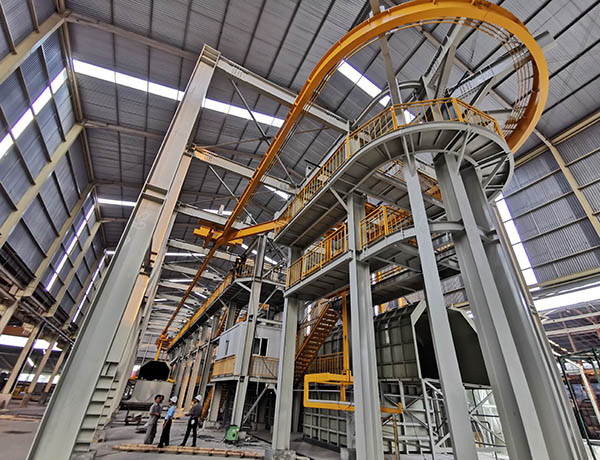
The core chemicals in pickling solutions are hydrofluoric acid (HF) and nitric acid (HNO3). The safety data sheets for these highly corrosive chemicals outline numerous dangers associated with exposure to their vapors and physical contact, lacking proper protection.
The most immediate and evident consequence is severe chemical burns to the skin and harm to the eyes and the respiratory system due to the fumes. Notably, hydrofluoric acid can silently cause cumulative bodily harm over extended periods, affecting internal organs and leading to bone-related issues like osteoporosis.
As stated in their respective safety guidelines, hydrofluoric and nitric acids must be exclusively used in well-ventilated spaces.
Under OSHA regulations, individuals handling these acids must wear suitable personal protective equipment, including eye protection, gloves, respirators, and covering garments. It is also advisable to have accessible eyewash and safety shower stations nearby.
In many cases, the welded tubing is located in inadequately ventilated areas. Consequently, the surrounding vicinity should be off-limits to those not directly engaged in the pickling procedure. If personnel in the front office can detect the odor of regular system sanitization, it is unsafe to be present while pickling is in progress.
It is also worth contemplating whether the necessary safety gear is functional and compliant, particularly if pickling welds is infrequent. One should also consider if the crew possesses updated training essential for safely and accurately executing the process. To put it simply, taking shortcuts could yield negative repercussions.
Following the completion of the task, the ensuing question pertains to waste management. The remnants of pickling chemistry need to be rinsed away, but this residue cannot be discarded down drains or in regular trash. It must be treated as hazardous waste.
This applies to any equipment that came into contact with the chemicals, necessitating proper cleaning or disposal. Even if the acid is neutralized, it remains hazardous due to the possibility of heavy metals being drawn into the solution.
Depending on the specific acid type and quantity involved, the process of waste removal can consume time and incur expenses. Consequently, meticulous planning and skillful execution of the cleanup are essential to mitigate risks and ensure proper handling.
Surprisingly, one of the primary errors in self-performing pickling is crews neglecting to rinse off the pickling paste. This oversight has implications for any product that comes into contact with the lingering acid, along with the aforementioned environmental hazards that arise upon discovering the contamination.
Another failure point occurs when inexperienced crews believe that the acids will also cleanse the metal's surface. If the surfaces are not adequately degreased, the acids might struggle to effectively penetrate and treat the stainless steel.
If the surfaces contain grease, oil, or other inorganic compounds, these contaminants can disrupt the passive layer's formation, potentially resulting in rouge formation on the surface once the system is back in operation.
Image Credit: Astro Pak Corporation
Nevertheless, even if the area is properly degreased and cleansed beforehand, and the acids are appropriately removed and disposed of, another failure point emerges due to the assumption that pickling will fully restore the passive layer. These two processes yield distinct outcomes. The pickling paste etches the metal and eliminates discoloration, yet the passive layer sustains damage from the weld and the hydrofluoric acid's chemical action in the pickling solution.
To counteract this, it is a common practice to apply nitric acid to eliminate free iron, enhancing surface chromium content and generating a stronger passive layer.
Nitric acid, however, requires the same time and precautions for application and subsequent safe waste disposal. Upon completion, gauging the level of achieved passivation or its uniformity across the treated surface becomes challenging.
In certain industries, this poses an issue as it is difficult to document area compliance with the necessary ASTM standards.
In industries like food, beverage, or drinking water transportation, uncertainties regarding pickling and passivation's safety and thoroughness become more than theoretical concerns.
Astro Pak has decades of experience in treating stainless steel welds. After evaluating the client’s requirements and relevant industry standards, it is determined whether pickling is essential or if scaling and heat discoloration can be addressed through safer methods like electrolytic weld cleaning (ELC) or electro polishing (EP).
Should pickling be necessary, Astro Pak's skilled technicians are well-trained, certified, and equipped to carry out the task safely and comprehensively. Moreover, they can handle any resulting hazardous materials safely.
These procedures should be followed by a passivation treatment using Astro Pak's patented Ultra Pass® Gel, ensuring the stainless steel's surface attains the optimal chromium-to-iron ratio for creating an ideal passive layer. All of this will be meticulously tested and documented to verify conformity with applicable ASTM standards.
Beyond mitigating hazards and risks, engaging external experts might lead to cost savings compared to in-house weld pickling.
Astro Pak possesses the requisite equipment, chemistry, and processes to expedite the task – and do so safely – resulting in reduced downtime and bolstering the client’s financial bottom line.
The client’s safety officer will also find relief in not having to store hazardous materials or oversee the management of necessary personal protective equipment.
This information has been sourced, reviewed and adapted from materials provided by Astro Pak Corporation.
For more information on this source, please visit Astro Pak Corporation.
Please use one of the following formats to cite this article in your essay, paper or report:
Astro Pak Corporation. (2023, September 08). Should You Self-Perform Pickling on Welds?. AZoM. Retrieved on October 18, 2023 from https://www.azom.com/article.aspx?ArticleID=22956.
Astro Pak Corporation. "Should You Self-Perform Pickling on Welds?". AZoM. 18 October 2023. <https://www.azom.com/article.aspx?ArticleID=22956>.
Astro Pak Corporation. "Should You Self-Perform Pickling on Welds?". AZoM. https://www.azom.com/article.aspx?ArticleID=22956. (accessed October 18, 2023).
Astro Pak Corporation. 2023. Should You Self-Perform Pickling on Welds?. AZoM, viewed 18 October 2023, https://www.azom.com/article.aspx?ArticleID=22956.
Do you have a question you'd like to ask regarding this article?
AZoM.com - An AZoNetwork Site
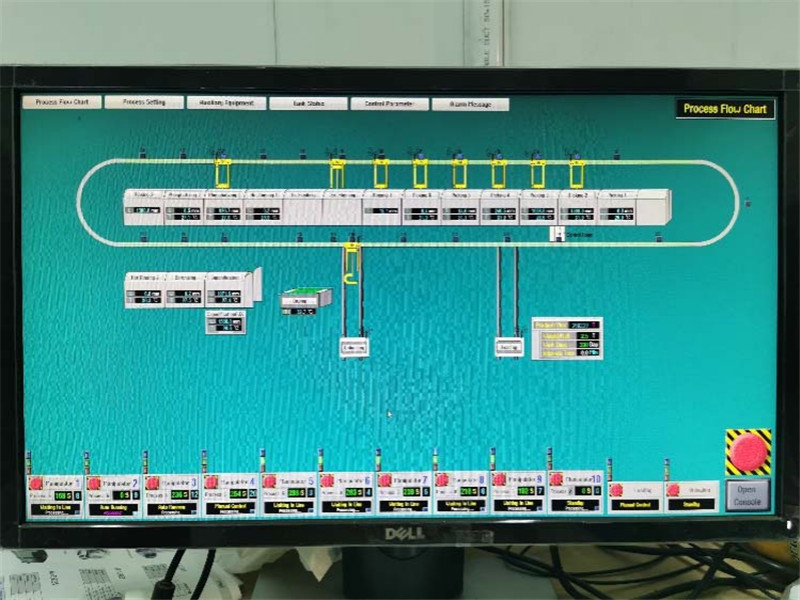
Enclosed Tunnel Pickling Lines Owned and operated by AZoNetwork, © 2000-2023