Vaporizers and humidifiers can address air that's too dry in your home. Dry air can worsen allergies, contribute to dry skin and dehydration, lead to sore throat or a stuffy nose, and even give some people headaches or nosebleeds. Dry air can also affect our immune systems, because if the nasal passages and lungs aren't lubricated, they can't properly trap germs.
We all need a certain amount of humidity to feel comfortable and stay healthy. This article discusses the key differences between vaporizers and humidifiers and how you can choose the right one for your needs. Cordless Diffuser
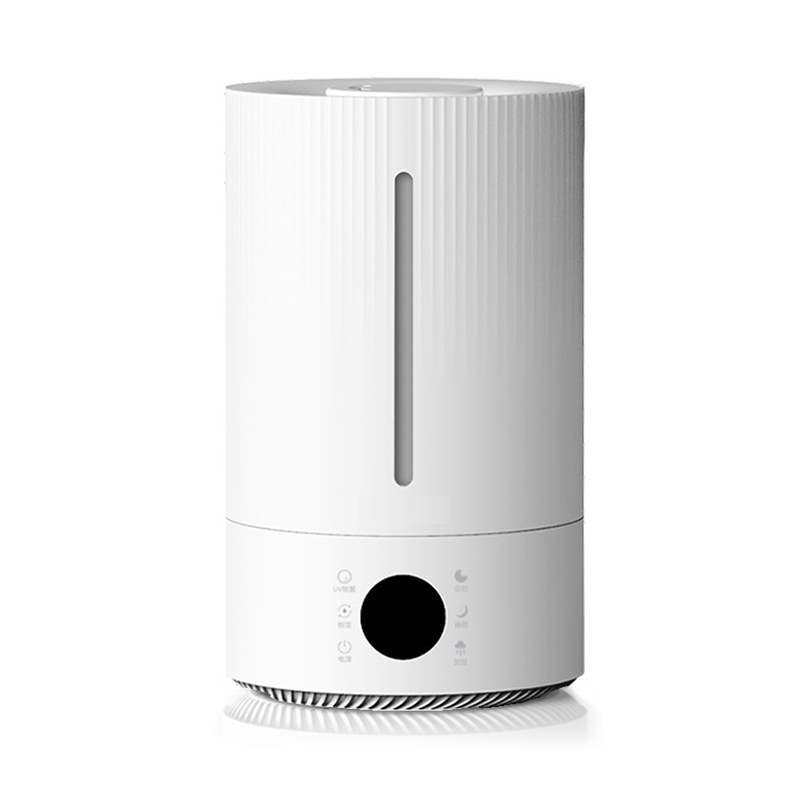
Vaporizers and humidifiers have different methods of adding water to the air:
So while both vaporizers and humidifiers add moisture to the air, they use different methods to do so.
Steam may be hot enough to burn skin
May leave mineral deposits, which can create bacteria buildup
Adds moisture using cold mist or spray
May have option of warming mist before releasing into air
Cool or warm mist will not cause burns
Less likely to have mineral deposits
Humidifiers and vaporizers can both make the home more comfortable by relieving excess mucus, dry skin, chapped lips, and sore throats. They may be helpful for people with allergies.
Humidifiers and vaporizers can be especially beneficial when someone has a cold to ease symptoms, though they can be used whenever moisture is needed.
Be careful about too much moisture from your humidifier or vaporizer. If a room becomes too humid, it can promote mold and bacterial growth. A good rule of thumb is that if the humidity in a room is 30% or below, adding moisture can help. If the humidity goes above about 60%, it could promote the growth of pathogens, mildew, or mold.
Devices like a hygrometer can measure the humidity, or your humidifier or vaporizer might be able to set at a certain level.
Air with sufficient humidity can soothe irritated nasal and throat passages. This may help relieve allergy symptoms.
If you have indoor allergies, consider a humidifier if the relative humidity in your home is below 30% and you have symptoms like chapped lips, dry skin, or irritated sinus passages. Be aware, however, that high humidity can increase dust mites, mold, and other allergens, so check with your healthcare provider before you invest in a humidifier.
People with allergies should clean their device thoroughly every day and use distilled water to help keep allergens at bay.
Babies have sensitive skin and delicate nasal and throat passages, so adding humidity to a dry room can be soothing.
For a baby's room, a humidifier is a safer choice so that there's no chance of scalding the baby with the steam from a vaporizer. Make sure to clean the device daily and thoroughly and monitor the humidity level.
There is evidence that the coronavirus thrives in dry air, so adding moisture to the air could lower the number of viral particles present. In general, airborne viruses tend to die off in more humid air.
Do not depend on a vaporizer or humidifier to rid your home of potential exposure to COVID-19, though they can help. Be sure to still follow all safety mandates. Air purifiers may be of some benefit in removing coronavirus particles from the air, but the filtration available in home systems may not be enough to remove them completely.
If you have asthma , a humidifier or vaporizer may not be a good idea. But if the dry air is bothering you and you want to use one, be extra diligent about cleaning it so that nothing in the air could trigger a flare.
Keep a close watch on the humidity level so that it does not become too humid, which promotes mold and bacterial growth. This is bad for asthmatics.
If you have chapped lips and dry skin, a vaporizer or humidifier can help relieve the symptoms.
Keep the device clean and don't let the air get too humid. If you still need more moisture, drink more water to stay hydrated and use moisturizing products appropriate for your skin type.
Machines can vary, so follow the manufacturer's instructions. Using distilled water is best to help prevent mineral buildup, which is a breeding ground for mildew, mold, and bacteria.
Follow these general steps below to clean your humidifier or vaporizer:
Vaporizers tend to be less expensive than humidifiers, but there's a wide range in both. You can pay anywhere from about $15 to more than $700 for a room humidifier. Vaporizers range from about $20 to $200.
Measure the room you want to humidify and check the capacity of the machine. Figure out which features you need or want. Some machines come with remotes, a sleep mode to turn off lights, timers, and humidity set points. The types of features you want may dictate the price of the machine.
Cleanliness is essential when you use a humidifier or vaporizer. If not kept clean, you could be releasing pathogens and allergens into the air in addition to moisture.
For a baby or a child, vaporizers are not recommended because the steam could burn them.
Always make sure the device is unplugged before cleaning.
Humidifiers and vaporizers can make dry households more comfortable and healthy, especially in the cold winter months. They need regular but easy care. Before you choose, take into consideration allergy issues, safety, and the capacity you need for the area you want to humidify.
Humidifiers and vaporizers both add moisture to the air. The difference is that humidifiers use cold or warm mist and vaporizers boil water and release steam. These machines can make you feel more comfortable and relieve irritated noses, throats, chapped lips, and dry skin. It's important not to over-humidify and keep the machine clean.
Humidifiers and vaporizers are simple and effective at adding moisture to the air. If you want more humidity in the house, make a list of what features you want and what is safe and best for your needs. If you have asthma or allergies, talk to your healthcare provider before using a humidifier or vaporizer, because they are not recommended for everyone. The possible drawbacks could outweigh the benefits.
Don't put it too close to you or right next to your bed. Put it on a shelf or on the floor several feet away from where you'll be. Make sure it's not too close to any objects, furniture, or flooring that could be damaged by dampness.
A humidifier should be far enough away so that if it falls over or the baby reaches for it, they can't hurt themselves with scalding water. At least 6 feet away is a good guideline, but consider your child's activities and make sure it's not within grabbing distance.
Wolkoff P. Indoor air humidity, air quality, and health – an overview. International Journal of Hygiene and Environmental Health. 2018;221(3):376-390. doi:10.1016/j.ijheh.2018.01.015
National Library of Medicine. Humidifiers and Health.
United States Environmental Protection Agency. A brief guide to mold, moisture, and your home.
American Academy of Allergy, Asthma and Immunology. Humidifiers and Indoor Allergies.
American Academy of Allergy & Asthma & Immunology. Humidifiers and indoor allergies.
Mecenas P, Bastos RTDRM, Vallinoto ACR, Normando D. The effects of temperature and humidity on the spread of COVID-19: A systematic review.PLoS One.2020;15(9):e0Published 2020 Sep 18. doi:10.1371/journal.pone
Asthma Society of Canada. Humidifiers and vaporizers.
American Lung Association. Mold and Dampness.
Consumer Reports. How to clean your humidifier.
National Capital Poison Center. Vaporizer Medicine: Dangerous to Swallow.
By Nancy LeBrun In addition to her extensive health and wellness writing, Nancy has written about many general interest topics for publications as diverse as Newsweek, Teen Vogue, abcnews.com, and Craftsmanship Quarterly. She has authored a book about documentary filmmaking, a screenplay about a lost civil rights hero, and ghostwritten several memoirs.
Thank you, {{form.email}}, for signing up.
There was an error. Please try again.

Aroma Therapy Diffuser By clicking “Accept All Cookies”, you agree to the storing of cookies on your device to enhance site navigation, analyze site usage, and assist in our marketing efforts.