Silk screen printing is more than just a method to jazz up your T-shirt collection. In fact, it’s a blend of meticulous artistry, a sprinkle of science and a dash of history. Let's dive into the intricate world of this printing technique that's equally at home on a canvas or cotton tee.
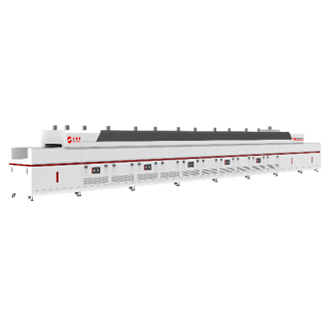
Silk screen printing, which you might also find referred to as "screen printing" or "silkscreen printing," is a process that involves pushing ink through a silk mesh screen to transfer a design onto fabric or paper. Double Tunnels Conveyor Oven
The term "silk screen" originates from the times when these screens were crafted from silk. But modern screen printing equipment has transitioned to using polyester mesh instead. Polyester offers greater durability than silk, but the core idea remains unchanged.
So now you want your cat’s face screen printed onto every T-shirt you own. We get it. Here's what you'll need and how to do it.
Remember that T-shirt you got from your trip to the beach with a big, shiny decal? That's an iron-on transfer.
These transfers are printed designs created on a paper backing using thin, thermoplastic inks. All it takes is a heat press (or a good old fashioned iron) to adhere the design onto the fabric. Voilà, instant vacation memories.
Digital printing is a method that doesn't require a stencil. Instead, it operates much like your inkjet printer at home, directly printing the design onto the fabric.
It's excellent for detailed designs and short-run prints. However, when it comes to large quantities, screen printing is often more cost-effective.
Screen printing isn't just about making funky T-shirts; it’s also an accepted technique in fine art. Artists like Andy Warhol brought screen printing to the forefront of the art world, turning everyday objects into iconic pieces of modern art.
The technique that allows artists to produce multiple copies of their work while maintaining the touch and feel of the original image.
In a commercial setup, a screen printing press produces large numbers of prints rapidly.
Some presses, known as an automatic rotary carousel printer, even automate the process, making it quicker and more consistent. These aren't the manual silk screens of yesteryear but high-tech setups designed for volume and precision.
From clothing brands to artists, and from DIY enthusiasts to commercial screen printing setups, the possibilities with this technique are vast. With the right screen printing equipment, you can achieve everything from intricate, multicolor designs to bold, single-image statements.
This article was updated in conjunction with AI technology, then fact-checked and edited by a HowStuffWorks editor.
Pid Oven Controller Please copy/paste the following text to properly cite this HowStuffWorks.com article: